

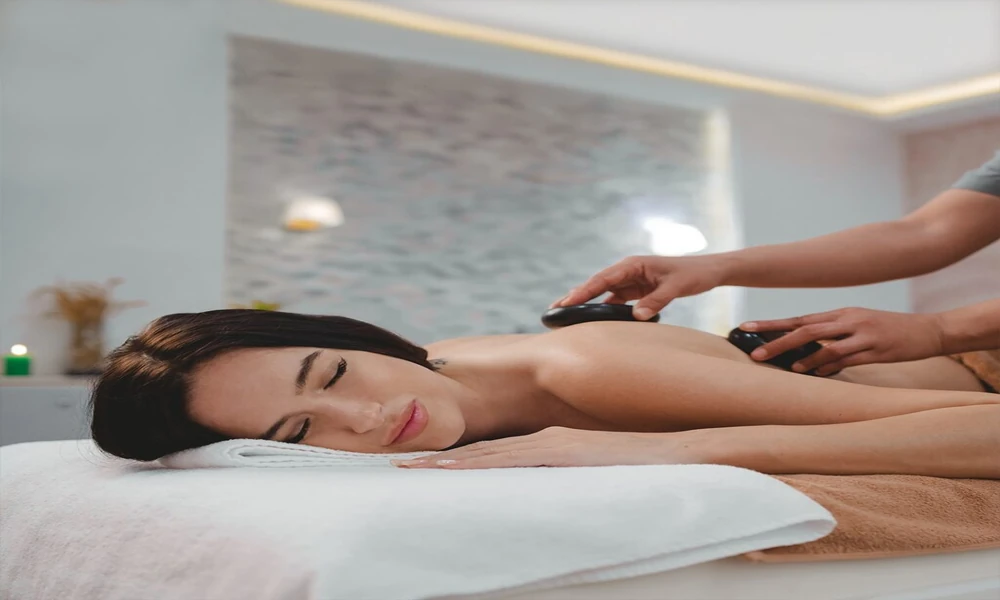
Most people book their first professional facial with only a vague idea of what they are paying for. They picture something relaxing involving cucumber slices and pleasant smells, a spa cliché borrowed from movies. The reality inside a serious treatment room is far more clinical, far more personalized, and far more interesting than the stereotype suggests. If you have ever wondered where your money goes during those sixty or ninety minutes, here is an honest look behind the door.
It starts with a diagnosis, not a product
A good facial does not begin with a jar. It begins with an assessment. The esthetician examines your skin closely, sometimes under magnification, reading its current condition rather than relying on assumptions. This matters because skin is not static. The same face can be dehydrated in February and congested in August, reactive during a stressful month and calm during a settled one.
This diagnostic step is the foundation of the entire treatment. The professional is looking at hydration levels, oil balance, sensitivity, texture, and any specific concerns you have raised. Only after this read do they decide which products and techniques to use. Anyone serious about their skin who wants this level of tailored attention should treat professional facial treatment booking as the starting point of a routine rather than an occasional indulgence, because the assessment alone reshapes how you care for your skin at home. You can begin that process through professional facial treatment booking at a boutique that pairs treatment with expert guidance.
The cleanse is not the cleanse you do at home
The first hands-on stage is a deep double cleanse, and it bears little resemblance to the rushed thirty seconds most of us manage at the sink. The professional removes makeup, sunscreen, and the day’s accumulated grime methodically, then cleanses again to reach the skin itself. The difference in thoroughness is immediately noticeable, and it prepares the skin to actually absorb what comes next.
This stage often reveals things you did not know about your own skin. Estheticians frequently point out that clients are either over-cleansing and stripping their barrier or under-cleansing and leaving residue that blocks everything they apply afterward. The feedback is part of the value.
Exfoliation and the science of turnover
Next comes exfoliation, which addresses the layer of dead cells that dulls the complexion and prevents active ingredients from penetrating. Depending on your skin, this might be gentle enzymatic exfoliation, a mild acid treatment, or manual techniques. The professional chooses based on that opening diagnosis, which is precisely why a one-size-fits-all approach cannot match a tailored treatment.
The goal is to accelerate the skin’s natural cell turnover without damaging the barrier. Done well, it is the step that produces that unmistakable post-facial glow. Done carelessly, it can cause irritation, which is exactly why this is a job for trained hands rather than aggressive home experimentation with the strong acids now sold everywhere.
Extractions, the part nobody enjoys but many need
If your skin has congestion, blackheads, or clogged pores, extractions may follow. This is the least glamorous portion of any facial, and honestly it can be slightly uncomfortable. A skilled esthetician performs extractions with proper technique and hygiene, clearing pores in a way that squeezing at your bathroom mirror never safely achieves.
The professional context is what makes this safe. Improper extraction at home is one of the leading causes of scarring and spread infection. In the treatment room, it is controlled, sanitary, and followed by calming steps to settle the skin.
Massage, masks, and the part that feels like luxury
Here is where the experience earns its relaxing reputation. Facial massage does more than feel wonderful. It stimulates circulation, supports lymphatic drainage that can reduce puffiness, and helps relax the muscles that contribute to tension lines. Many estheticians consider this the step that separates a competent facial from a memorable one.
A treatment mask tailored to your skin’s needs usually follows, chosen to hydrate, soothe, purify, or firm depending on the day’s assessment. While it sets, the skin drinks in concentrated actives that would be difficult to deliver as effectively at home. The session typically closes with serums, moisturizer, eye care, and sun protection, layered in the correct order by someone who does this all day.
The education you take home
The most underrated benefit of a professional facial is not the treatment itself. It is the conversation around it. A good esthetician explains what they found, what your skin needs, and how to support the results between visits. They will often correct a habit that has been quietly sabotaging you, whether that is a harsh cleanser, a missing step, or a product you are using in the wrong order.
This educational layer transforms a single appointment into a long-term shift in how you care for your skin. Brands built around the professional channel, from clinical French lines to the treatment protocols used in medical spas, are designed with exactly this handoff in mind. The facial sets the direction, and your home routine sustains it.
What the treatment room reveals about your home habits
One of the quieter benefits of sitting in that chair is how much the treatment exposes about the routine you follow the other three hundred and sixty-four days of the year. An esthetician can often tell, just from touching your skin, whether you sleep in your makeup, whether your cleanser is too harsh, whether you skip sunscreen on cloudy days, and whether the products you own are actually reaching your skin or just sitting on a clogged surface.
This diagnostic feedback is worth as much as the treatment itself. Small habits compound over years, and most people carry at least one that quietly undermines everything else they do. Maybe it is scrubbing too aggressively, or layering incompatible actives, or chasing every new product a friend recommends. The professional who examines your skin closely can spot these patterns and correct them before they cause lasting damage. Walking out with that knowledge changes how you approach every purchase and every morning at the sink, which is precisely why a facial is better understood as a checkpoint than as a treat.
Is it worth it?
A professional facial is not cheap, and the honest answer to whether it is worth it depends on what you want from it. As an occasional relaxing treat, it is a lovely indulgence. As a diagnostic and educational tool that recalibrates your entire approach to skincare, it can be genuinely transformative, and the value extends far beyond the hour you spend on the table.
The people who benefit most are those who treat it as part of a system rather than a one-off luxury. They book seasonally as their skin’s needs change, they carry the professional’s guidance into their daily routine, and they use the treatment room as a place to learn rather than merely to unwind. Seen that way, the facial stops being a splurge and becomes one of the smartest investments you can make in how your skin looks and behaves over time.
