

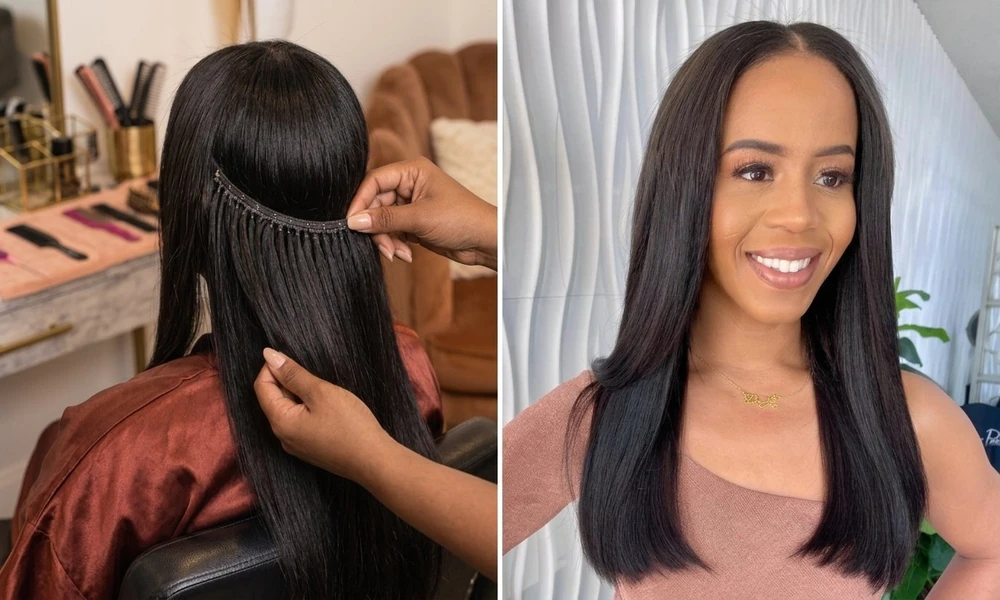
Clip-in hair extensions have become a convenient styling option for Black women who want fuller, longer hair without committing to a permanent installation. They offer flexibility, allowing you to change your look for work, special occasions, or everyday wear. But if your hair is chemically relaxed, you may have an important question: Can clip-ins actually cause breakage? The answer isn’t as simple as yes or no. Although these temporary extensions don’t require glue or sewing, they still place some pressure on the strands supporting them. Relaxed hair can be particularly sensitive to repeated pulling, excessive styling, and improper handling. That doesn’t mean you must avoid clip-ins altogether. Many women with healthy relaxed hair enjoy wearing them successfully. What matters is understanding your hair’s condition, selecting suitable extensions, and knowing how to install and remove them gently. Before adding extra length or volume, here’s what you should understand about protecting your natural strands while enjoying the versatility of clip-in hairstyles.
Can Clip-In Extensions Actually Damage Relaxed Hair?
Textured hair comes in different densities, curl patterns, and levels of strength. Once natural strands have been chemically relaxed, their structure changes, making thoughtful styling especially important. If you’re searching for the Best Relaxed Hair Clip Ins, remember that choosing the right texture and weight is just as important as achieving a beautiful finish. Even well-made extensions can cause problems when attached to hair that is too fragile to support them.
Hair relaxers permanently alter the chemical bonds responsible for natural curl patterns. Depending on the hair’s condition and how the relaxer was applied, this process can reduce resistance to mechanical stress. Hair that has been overprocessed or repeatedly exposed to high temperatures may be particularly vulnerable. Adding extension weight to already weakened sections increases the possibility of breakage.
How Clip-Ins Create Stress on Natural Strands
Every clip-in weft relies on a small section of your hair for support. When the extension is too heavy, the clips are secured too tightly, or the same attachment points are used repeatedly, those sections may experience excessive tension. Over time, this can contribute to localized breakage and thinning.
One important distinction is the difference between normal shedding and actual breakage. Naturally shed hairs generally come away as full-length strands, sometimes with a tiny white club at one end. Broken strands are often shorter, uneven pieces. If you notice increasing numbers of short hairs near your attachment points, your installation technique deserves attention.
Warning Signs You Shouldn’t Ignore
Your scalp shouldn’t feel painful just because you’re wearing extensions. Persistent tenderness, itching, pulling, redness, or discomfort when moving your hair can indicate that the clips are applying too much pressure. Repeated tension may also contribute to thinning near the temples and hairline.
Remove the extensions if they hurt. Never assume your scalp simply needs time to adjust. If you notice progressive thinning, persistent irritation, or unusual hair loss, consult a dermatologist experienced in treating hair and scalp conditions.
7 Common Clip-In Mistakes That Can Lead to Relaxed Hair Breakage
Many extension-related problems aren’t caused by the hairpieces themselves. They’re linked to habits that gradually weaken natural strands. For women with textured or chemically straightened hair, the goal should be to minimize unnecessary tension while achieving a comfortable, realistic look.
When shopping for Relaxed Straight Hair Extensions, consider how the texture, density, and installation method will work with your existing hair. A beautiful extension set isn’t necessarily suitable for every wearer, particularly someone experiencing thinning or chemical damage.
1. Choosing Extensions That Are Too Heavy
Thick, voluminous extensions may look attractive, but more hair doesn’t always mean better results. Heavy wefts concentrate additional weight on the strands holding them. Women with fine relaxed hair should consider fewer, lighter pieces that provide fullness without overwhelming their natural density.
2. Securing Clips Too Tightly
Clips need a secure attachment, but they shouldn’t pull painfully against your scalp. Avoid forcing clips into position or fastening them where the hair is already under tension. A comfortable installation should allow natural head movement without tugging.
3. Reusing the Same Attachment Points
Attaching extensions to exactly the same sections every day repeatedly stresses those strands. When practical, alternate suitable attachment positions and give previously used areas a break. Never move clips onto visibly fragile sections just to change placement.
4. Sleeping With Clip-In Extensions
Temporary clip-ins are generally designed to be removed before sleeping. Turning your head against a pillow can create friction, tangling, and pulling around the attachments. Make nighttime removal part of your regular routine, even when your hairstyle still looks flawless.
5. Using Too Much Heat for Blending
Repeated flat-ironing can weaken hair that has already undergone chemical processing. Instead of straightening your leave-out every morning, select extensions that resemble your usual relaxed texture. When heat is necessary, use an appropriate heat protectant and the lowest effective temperature.
6. Installing Extensions on Damaged Hair
If your hair is actively breaking, excessively thin, or recently overprocessed, adding clip-ins may make existing problems worse. Extensions do not repair damaged strands. Address the underlying hair or scalp condition before considering additional weight or tension.
7. Pulling Clips Out Without Opening Them
Never drag a closed clip through your hair. This can snag, stretch, and break strands. Support the attached section with one hand, open the clip completely, and gently release any caught hairs before lifting the weft away.
How to Choose Clip-In Extensions That Protect Your Relaxed Hair
The right extensions should complement your natural hair rather than require you to constantly manipulate it. For many Black women, this means paying close attention to texture, density, luster, and how comfortably the wefts sit against the scalp.
Begin by examining your hair in its usual styled condition. Is it smooth with subtle body, slightly textured, or extremely sleek? Choosing a similar finish makes blending easier and can reduce the need for daily heat styling.
Understand the Differences Between Straight Textures
Relaxed straight textures generally imitate chemically straightened hair with natural-looking body and movement. Light yaki finishes offer a subtle textured appearance, while silky straight extensions tend to have a smoother, sleeker surface. These descriptions vary between manufacturers, so actual product photos and texture samples can be helpful.
Remember that the straightest hair isn’t automatically the most natural-looking choice. If your relaxed strands retain some texture, ultra-silky extensions might create an obvious difference between your leave-out and the added hair.
Consider Density, Weight, and Clip Construction
Choose extension density according to the thickness of your natural hair. Extremely thick wefts can appear bulky beneath fine strands and place unnecessary pressure on attachment points. Smaller sections distributed appropriately may produce a more balanced result.
Inspect clip construction, too. Clips should open smoothly, close securely, and have no rough or sharp edges. A well-designed clip may improve comfort, but it cannot eliminate the effects of excessive tension or poor placement.
Prioritize Quality Over Unnecessary Volume
Good-quality human hair extensions can offer realistic movement, styling flexibility, and repeated use when maintained correctly. Look for manageable tangling, consistent texture, and construction that suits your styling needs.
However, premium pricing doesn’t guarantee compatibility with fragile hair. A lightweight, moderately full set that blends comfortably may be a better investment than an extremely dense collection that looks impressive but feels uncomfortable.
Hairstylist-Approved Tips for Wearing Clip-Ins Safely
Healthy extension styling begins before the first clip is attached. Start with clean, thoroughly dry, gently detangled hair. Examine your scalp and the sections where you intend to position the wefts. Avoid areas showing tenderness, thinning, or visible breakage.
Proper installation is equally important. Create neat horizontal sections and position the clips where your hair has enough strength and coverage to support them. Avoid repeatedly fastening and reopening clips in search of the perfect placement. If you’re unfamiliar with installation, having a professional stylist demonstrate the technique can help prevent avoidable mistakes.
Protect Your Hair During Daily Wear
Keep hairstyles comfortable and avoid tight ponytails that pull both your natural hair and the attached wefts backward. Brush gently, supporting the extension near the attachment area rather than dragging a brush against the clips. Limit excessive heat and unnecessary restyling.
Pay attention to how your scalp feels throughout the day. Discomfort isn’t a sign that an installation is secure. It’s a reason to reassess the weight, placement, or suitability of the extensions.
Make Gentle Removal and Maintenance a Habit
At the end of the day, remove each piece carefully by fully opening the clips. Detangle your natural hair without excessive pulling, and check for new signs of breakage. Clean and maintain the extensions according to their care instructions, allowing them to dry completely before storing them.
Your relaxed hair also needs an appropriate conditioning routine, minimal unnecessary heat, and occasional trims when ends become damaged. If breakage develops, discontinue clip-in use until the cause has been assessed and addressed.
Frequently Asked Questions About Clip-Ins and Relaxed Hair
Can I wear clip-ins every day? Some women with healthy hair may tolerate frequent wear, but daily attachment increases repeated handling. Take regular breaks and monitor your hair for signs of stress.Are clip-ins safer than sew-ins? Neither installation method is universally safer. Clip-ins avoid prolonged installation, while sew-ins distribute weight differently. Safety depends on hair condition, tension, technique, and maintenance.Can clip-ins thin my edges? Yes. Repeated pulling around the hairline can contribute to damage. Avoid placing clips directly on delicate edges or areas already experiencing thinning.How long can I leave them installed? Standard removable clip-ins are best taken out before bedtime rather than worn continuously for several days.Should I wear clip-ins immediately after relaxing my hair? Avoid attaching them to an irritated or sensitive scalp. If your hair feels weak after chemical processing, allow it to recover and seek professional advice before installing extensions.What if my relaxed hair is already breaking? Stop using clip-ins on the affected sections. A qualified hairstylist or dermatologist can help assess whether your hair is ready for extensions.
Conclusion:
Clip-in extensions can be a practical styling option for women with healthy relaxed hair, but they aren’t automatically damage-free. Excessive weight, repeated tension, frequent heat styling, and careless removal can all contribute to breakage. The condition of your natural strands should always guide your styling decisions.
For the most comfortable results, choose a texture that closely resembles your relaxed hair, avoid unnecessary volume, and handle each attachment gently. Give your hair regular breaks and never ignore signs of scalp discomfort or thinning. Ultimately, the healthiest-looking extension style is one that complements your natural hair without sacrificing its strength. When you prioritize suitable relaxed straight clip-ins, careful installation, and consistent maintenance, you can enjoy added length and fullness while making hair health part of your beauty routine.
